The Nested Archive Nightmare — A Four-Layer OSINT Deep Dive
This OSINT challenge was pure evil—four layers of nested 7z archives, each locked behind an MD5-hashed Wikipedia URL with only a cryptic photo per layer to guide you. No hints. No mercy. Just rage-fueled searches at 3 a.m.
In this post, I’ll walk through how I survived this four-stage nightmare.
📌 Challenge Overview
Difficulty: Hard
Category: OSINT
Author: Unknown Sadist
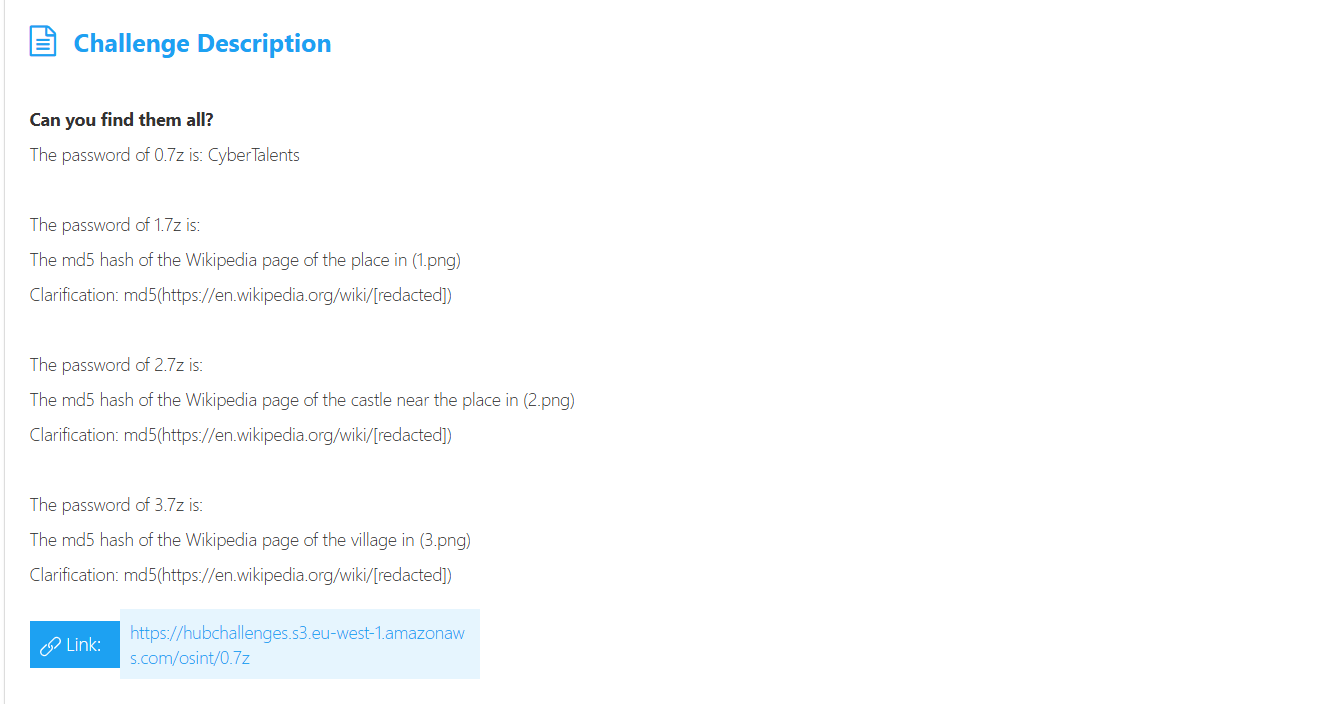
The challenge structure:
- Stage 0 → Stage 1: Unlock with given password → Extract 1.7z + 1.png
- Stage 1 → Stage 2: Identify location in photo → Hash Wikipedia URL → Get password
- Stage 2 → Stage 3: Repeat process
- Stage 3 → Stage 4: Retrieve final flag
Each layer required precise geolocation, exhaustive Wikipedia URL hunting, and enough mental stamina to survive the endless dead ends.
🟩 Stage 0 → Stage 1 — The Creepy Garden
Given Archive: 0.7z
Password: CyberTalents
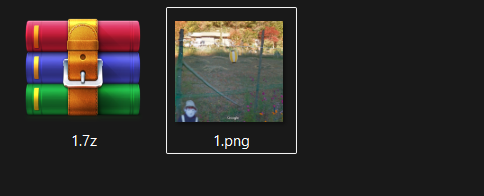
Contents: 1.7z + 1.png
🔍 Image Analysis
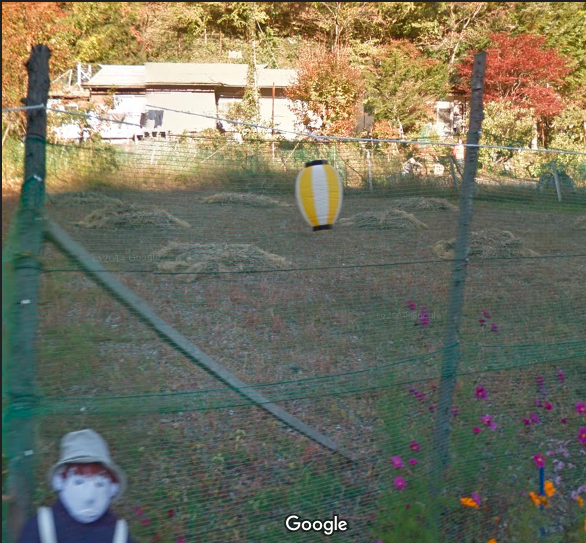
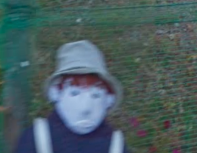
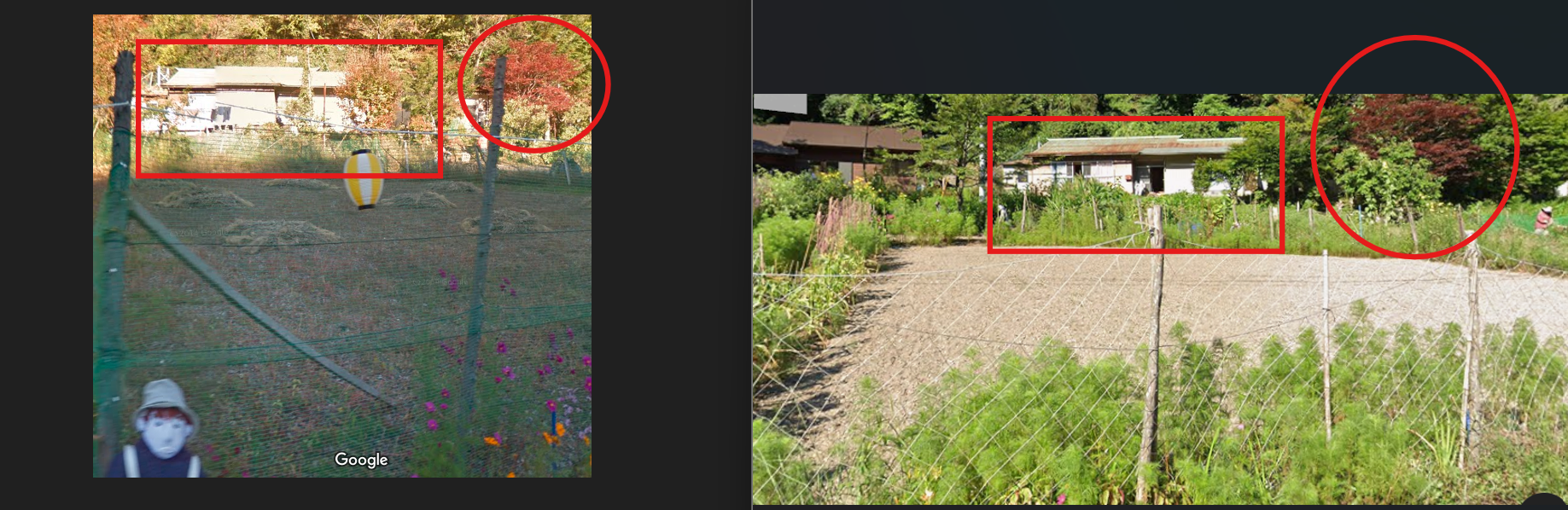
At first glance: a serene garden with haystacks, flowers, and what appears to be a yellow-and-white striped balloon floating overhead.
Zoom in and the nightmare begins:
That “balloon” has a face. It’s a life-sized doll suspended on a wire—straight out of a horror film.
🧭 The Hunt Begins
Initial searches went nowhere:
- “Floating dummy garden” ❌
- “Striped balloon field” ❌
- “Japanese scarecrow doll” ❌
After 45 minutes of frustration, the pattern finally clicked:
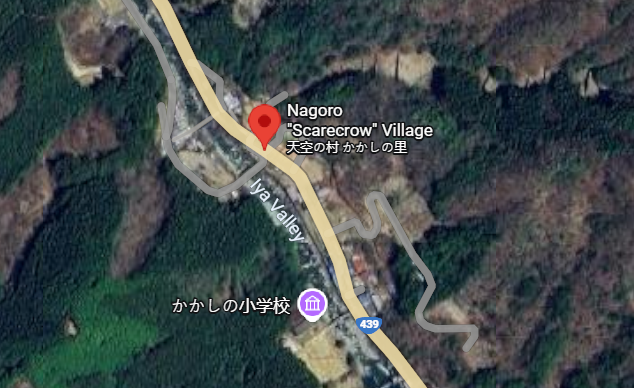
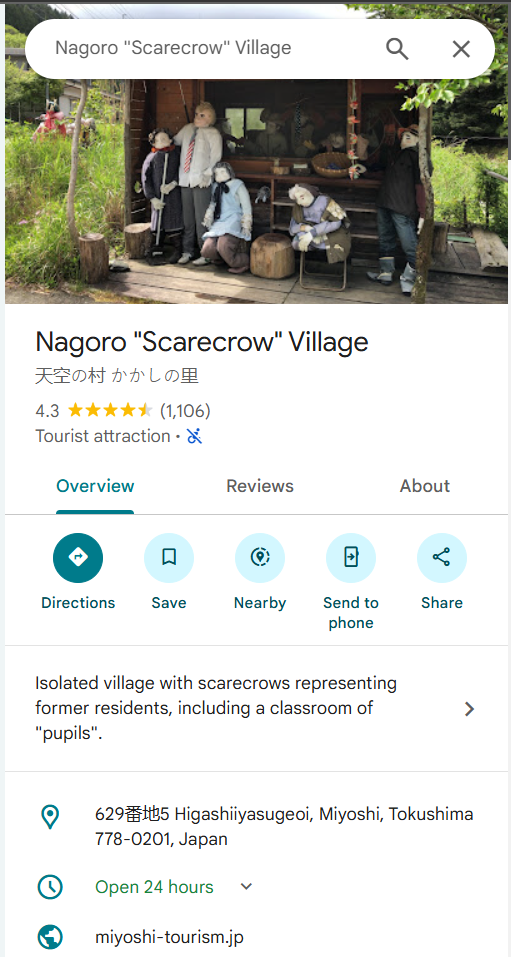
This is Nagoro Doll Village in Tokushima Prefecture, Shikoku, Japan—a dying rural town where locals repopulated the area by crafting life-sized dolls as scarecrows.
🔐 The Wikipedia Gauntlet
Now came the real torture: finding the exact Wikipedia URL whose MD5 hash would unlock the next archive.
Tried:
- “Nagoro Scarecrow Village” ❌
- “Kakashi no Sato” ❌
- Various Japanese titles ❌
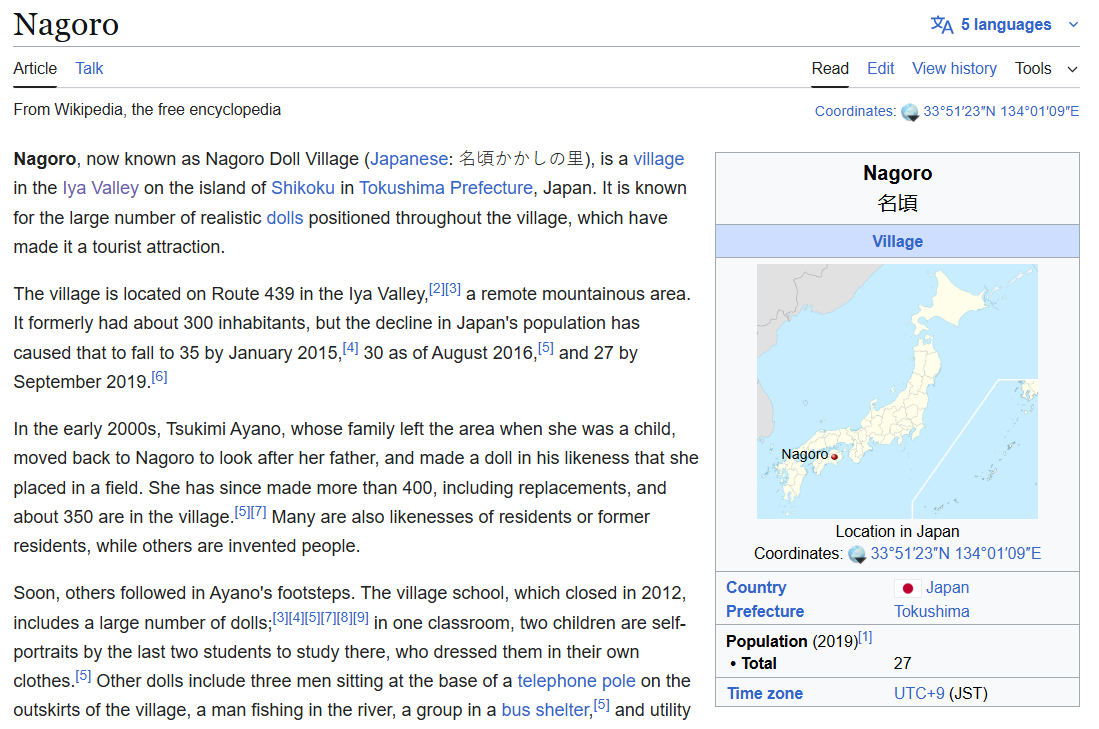
The winning URL:
1
https://en.wikipedia.org/wiki/Nagoro
MD5 Hash:
1
d34af31c6f95e8db2b3aa451a8f9d63a
✅ Archive unlocked.
🟩 Stage 1 → Stage 2 — The Castle Hunt
Contents of 1.7z: 2.7z + 2.png
🔍 Image Analysis
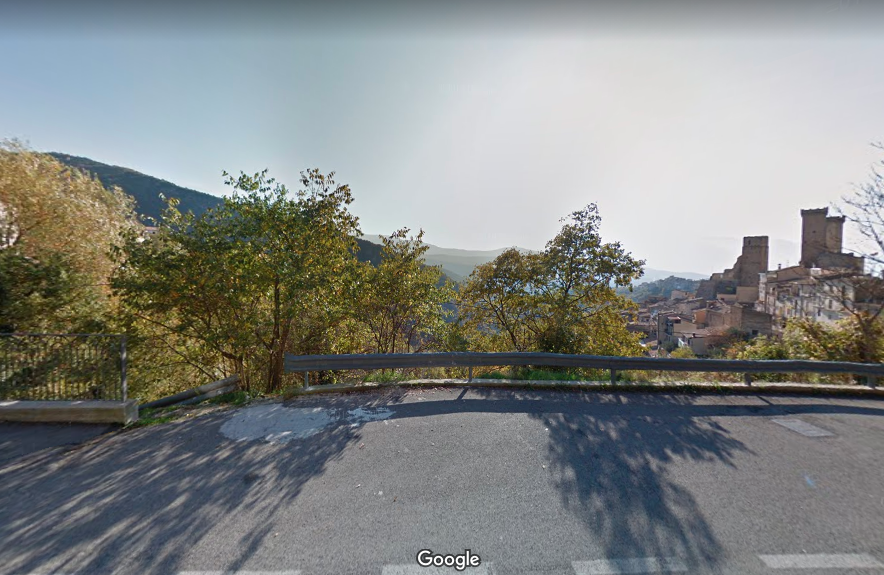
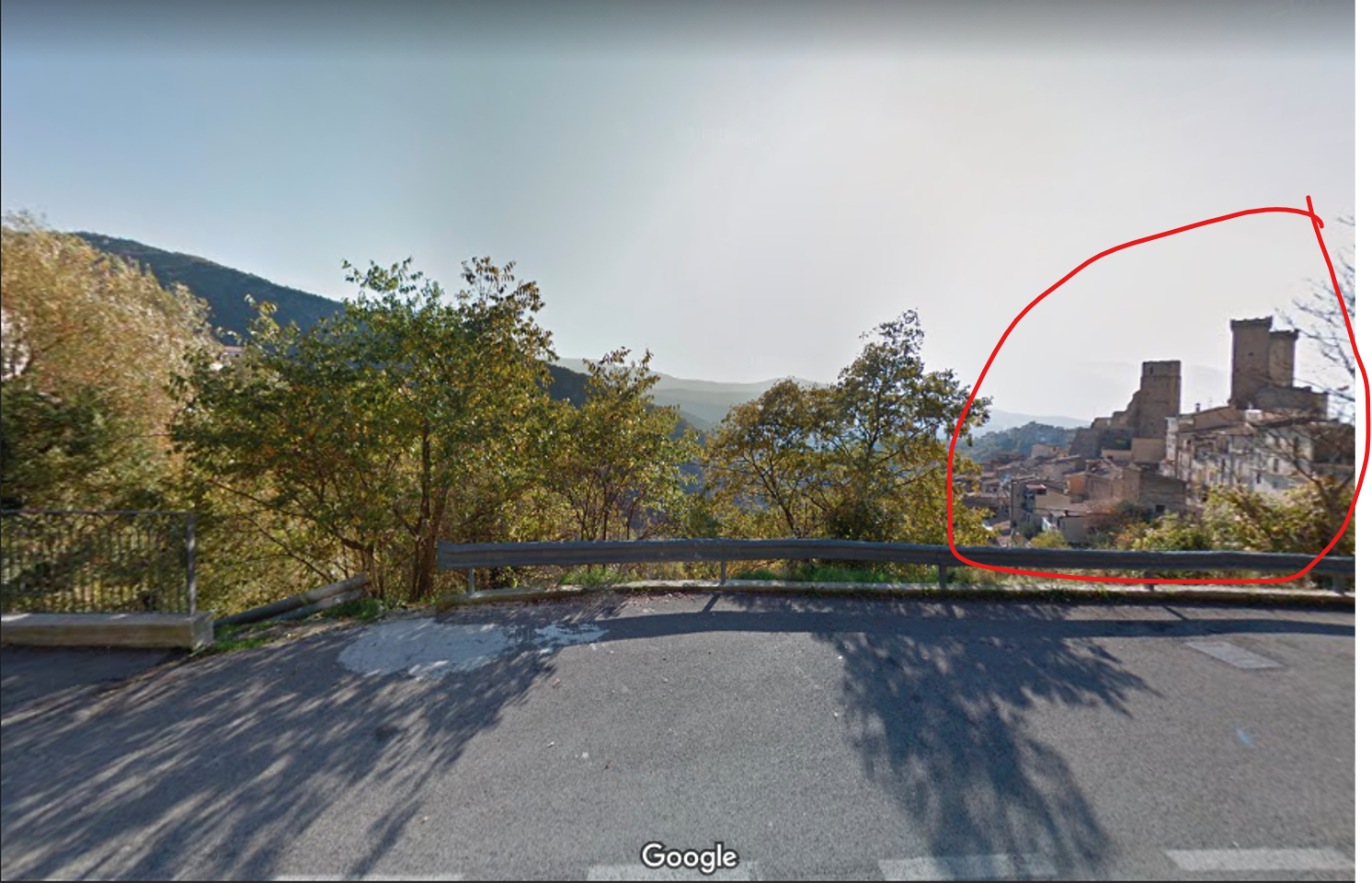
Rolling hills. Distant mountains. Picturesque scenery. Too easy, right?
Wrong.
After 10 agonizing minutes of pixel-by-pixel inspection, I spotted it—a minuscule castle tucked on the far-right hill, barely visible without magnification.
🧭 Geolocation Deep Dive
The search launched across:
- “Small castles Europe” ❌
- “Hilltop ruins Italy” ❌
- “Medieval fort Abruzzo” ❌
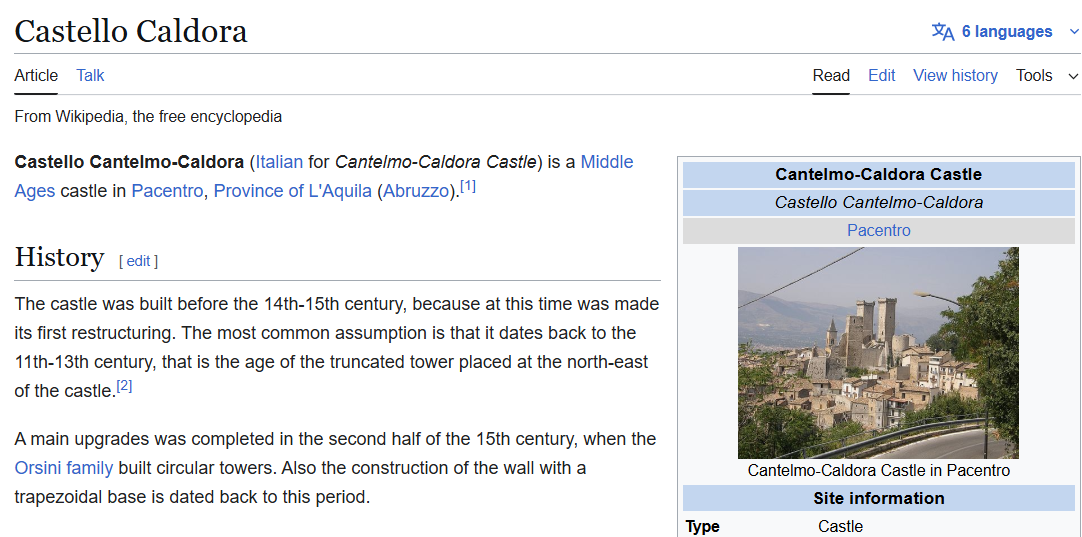
Finally cracked it: Castello Caldora in Pacentro, Italy—a 13th-century fortress nestled in the Abruzzo mountains.
🔐 Wikipedia Round Two
More trial-and-error:
- “Pacentro” ❌
- “Italian castles” ❌
The exact URL that worked:
1
https://en.wikipedia.org/wiki/Castello_Caldora
MD5 Hash:
1
879a7a1efb80cf7b5a00b5eb5ca290b7
✅ Next archive opened.
🟩 Stage 2 → Stage 3 — The Thatched Village
Contents of 2.7z: 3.7z + 3.png
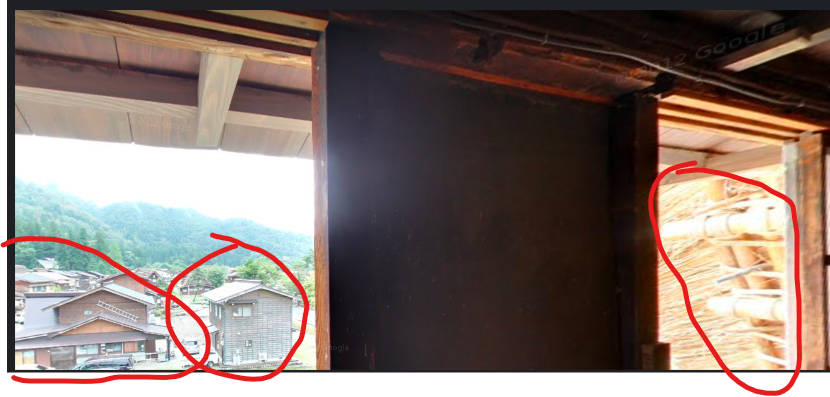
🔍 Image Analysis
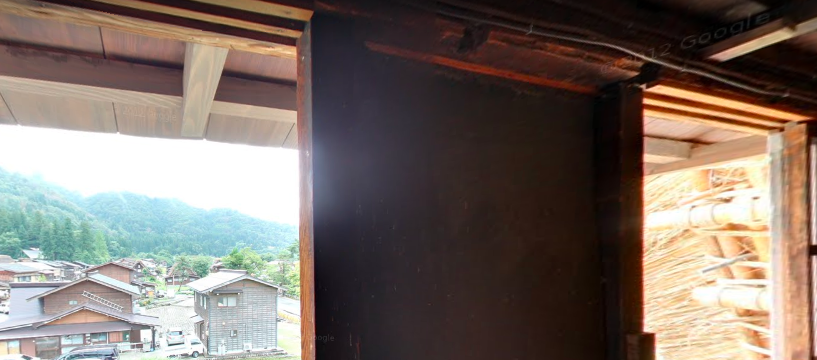
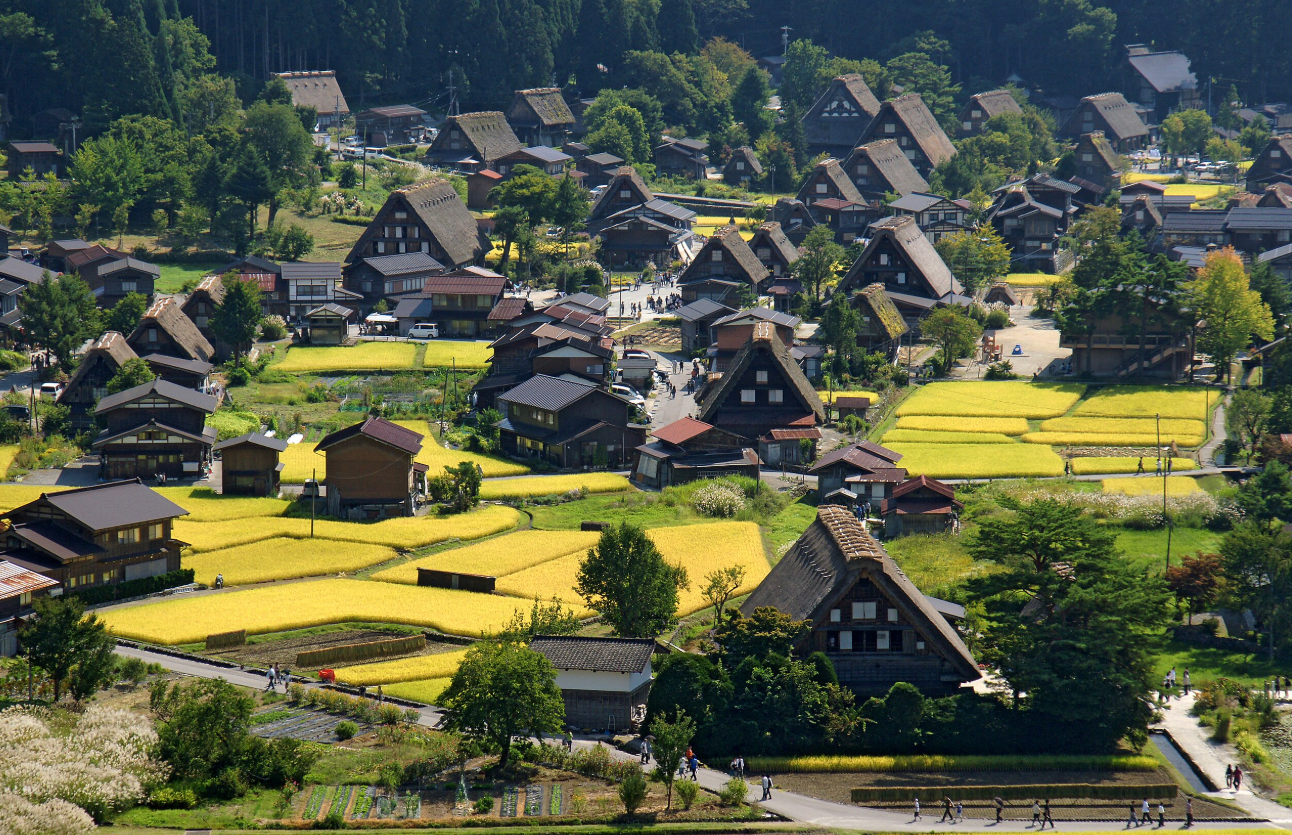
A dimly lit interior view overlooking bamboo stacks and traditional thatched-roof homes—the architecture screams traditional Japanese gassho-zukuri construction.
🧭 The Killer Stage
This was brutal. Japan has dozens of these villages. I exhaustively searched:
- “Bamboo traditional Japan homes” ❌
- “Thatched roof villages Shikoku” ❌
- “UNESCO heritage sites Japan” ❌
Cross-referenced against known locations:
- Shirakawa-go
- Gokayama
- Ogimachi
- Ainokura
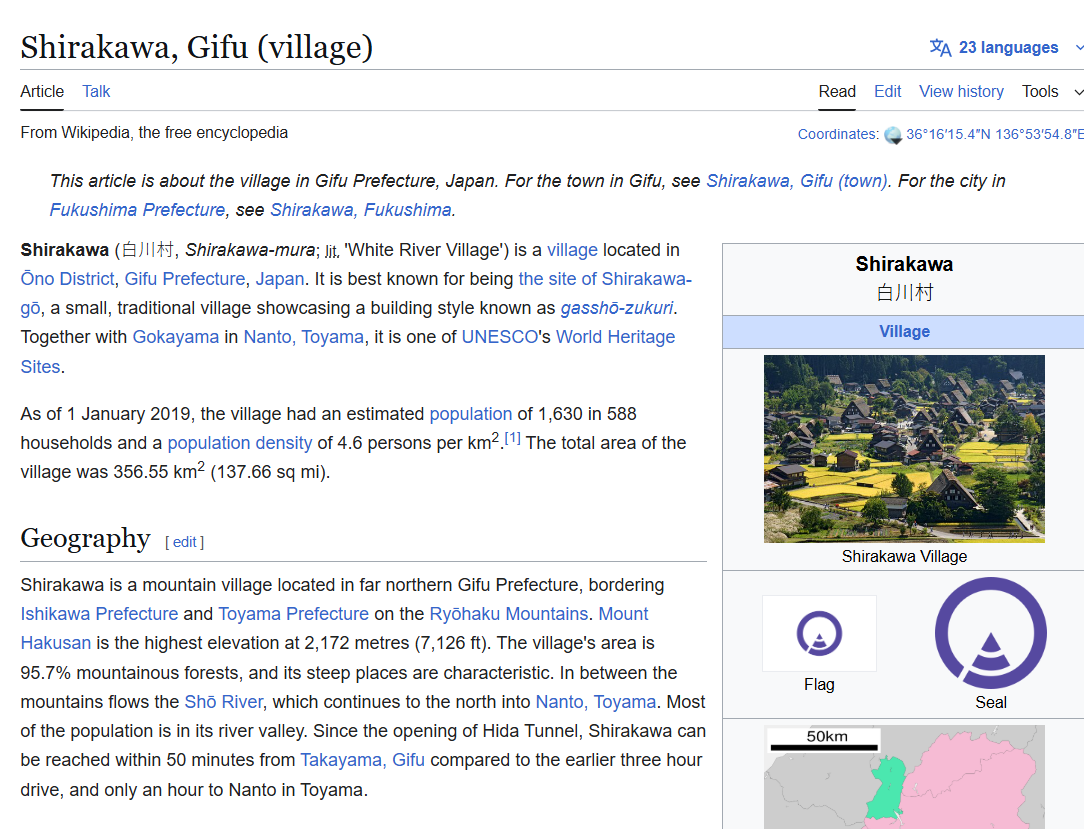
30 minutes later: The architectural details matched Shirakawa village area in Gifu Prefecture—steep roofs, bamboo arrangement, traditional construction methods.
🪤 The Disambiguation Page Trap
Here’s where the challenge designer got clever. The obvious Wikipedia pages failed:
- “Shirakawa-go” ❌
- “Historic Villages of Shirakawa-go” ❌
The solution? An obscure disambiguation page:
1
https://en.wikipedia.org/wiki/Shirakawa,_Gifu_(village)
MD5 Hash:
1
fa94afd96d3836abbdae2bbde08ba3c0
✅ Archive unlocked. Final stage revealed.
🚩 Final Stage — The Flag
After unlocking the final 3.7z archive, a single text file appeared containing: 
1
flag{e827a89870a9089870ca28d28e50ceb7}
🧠 Takeaways
This challenge was a masterclass in applied OSINT fundamentals:
- Geolocation precision: Spotting tiny details (a doll’s face, a distant castle, architectural styles)
- Exhaustive searching: Trying dozens of search term variations when initial guesses fail
- Wikipedia URL hunting: Understanding that exact titles matter—and sometimes obscure disambiguation pages are the key
- Cross-validation: Using multiple sources (Google Images, satellite maps, architectural databases) to confirm locations
- Persistence: Surviving 3+ hours of rage-induced searching without losing your mind
The real challenge wasn’t identifying the locations—it was finding the exact Wikipedia URL format the author chose. That’s the trap, and it’s brilliant.